

Targeted infrared heating and intelligent control for a world-leading Cambridge research facility
The Whittle Laboratory at the University of Cambridge is a world-leading research facility specialising in aerothermal science and technology for aviation and energy. Its work supports the development of pioneering technologies, including hydrogen aircraft, hybrid-electric propulsion and advanced power systems.
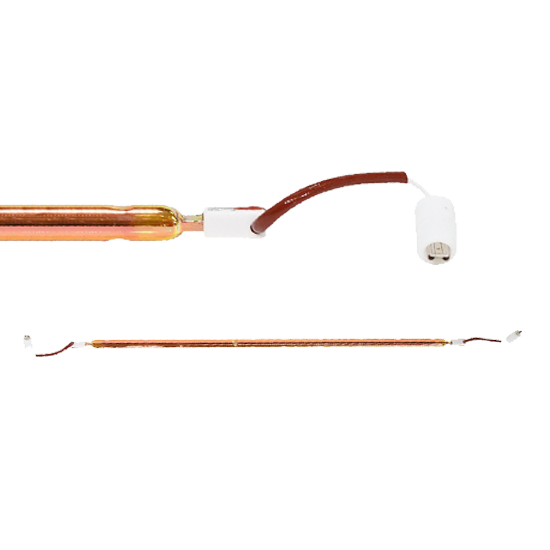
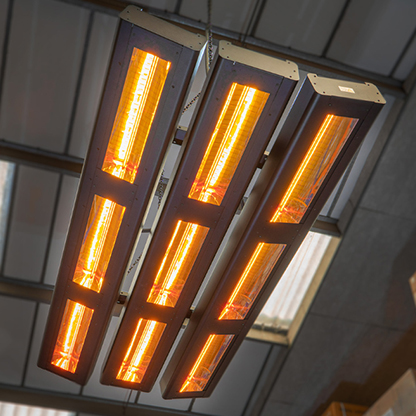
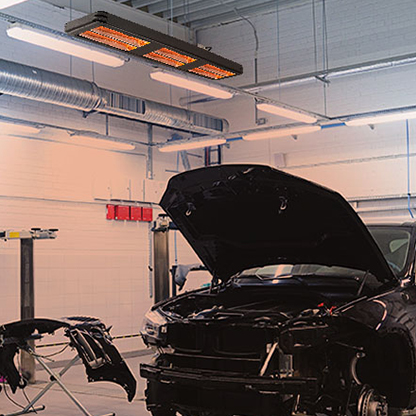
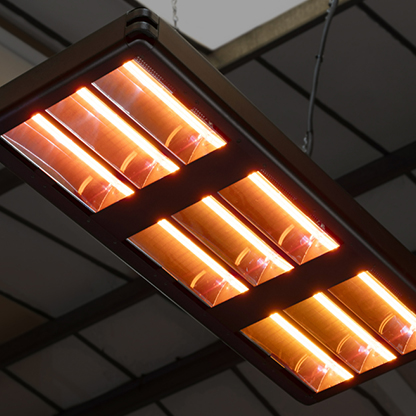
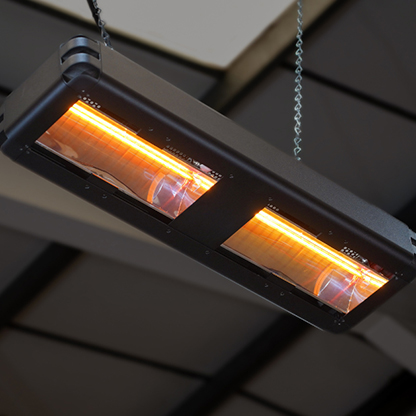
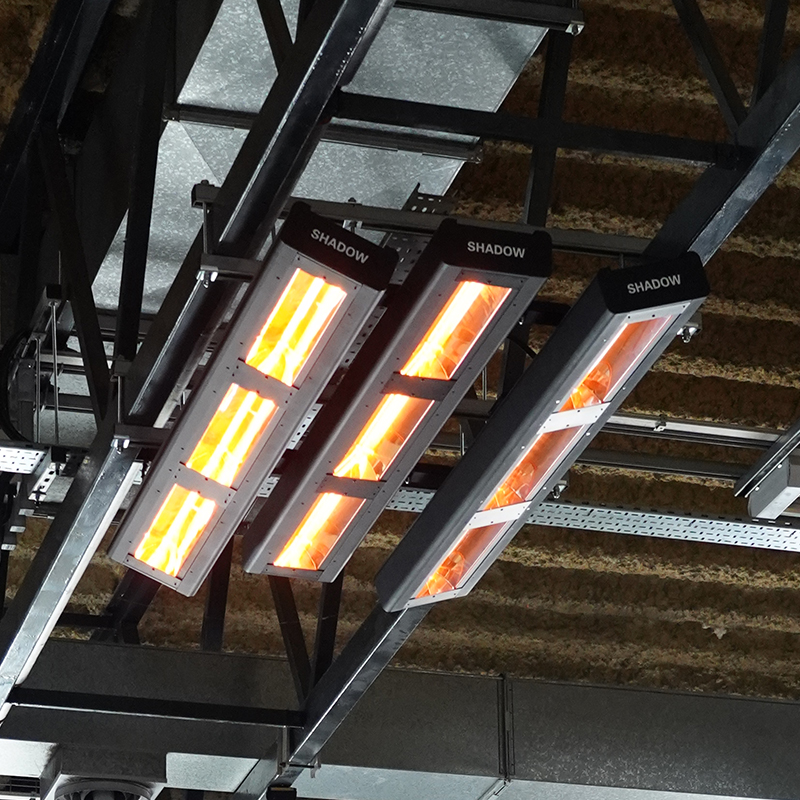
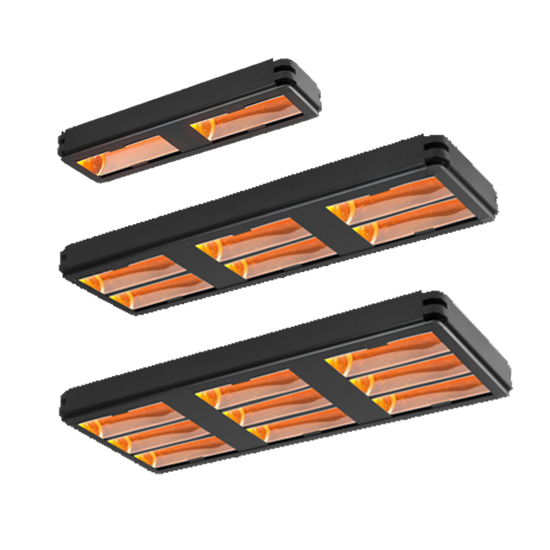
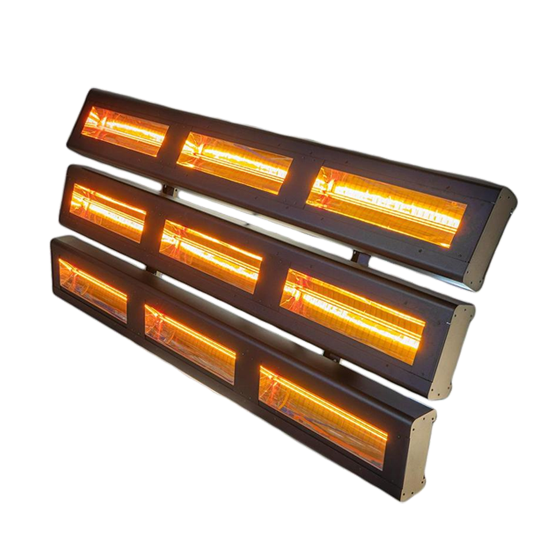
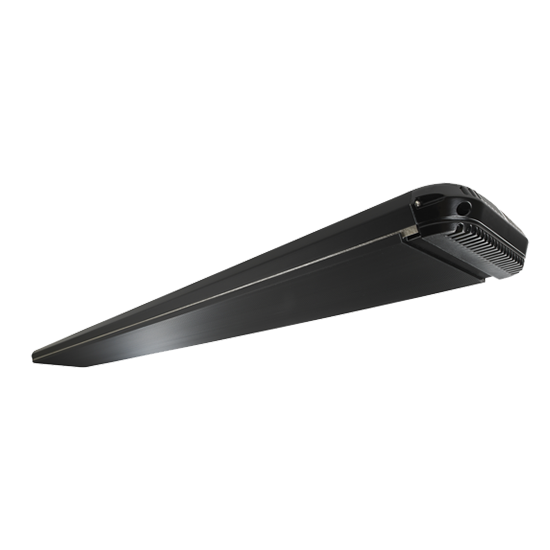
Shadow Industrial supplied an infrared heating solution combining Shadow Infinity heaters, Shadow Industrial heaters, the ShadowSmart Controller and dedicated receivers. Together, these provide responsive, targeted heating with flexible control across different areas of the laboratory.
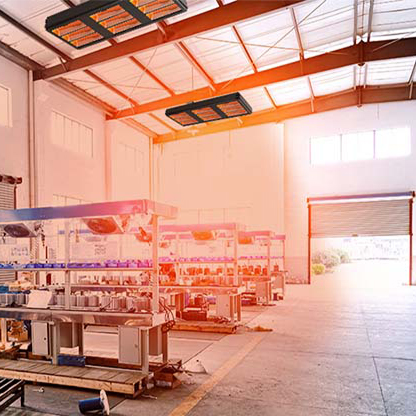
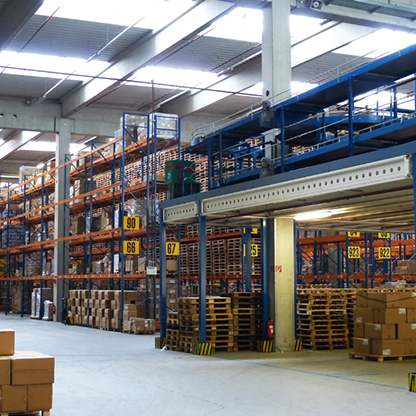
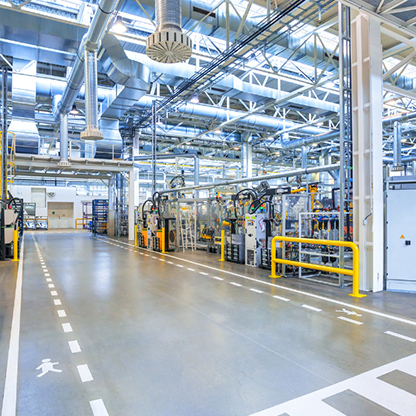
Large research and industrial environments can be difficult to heat efficiently. High ceilings and extensive open spaces mean that conventional systems may need to warm a substantial volume of air before those working below feel comfortable.
The way individual areas are used can also vary throughout the day. Heating the entire facility continuously would risk wasting energy in spaces that were unoccupied or did not require the same level of warmth.
The laboratory therefore needed a system capable of:
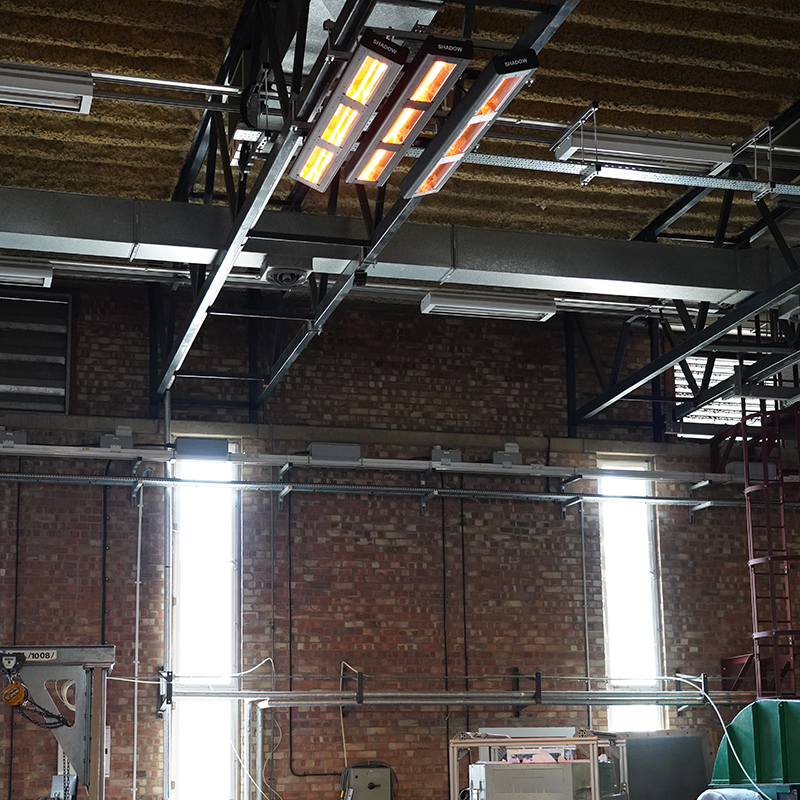
Shadow Industrial supplied a combination of Shadow Infinity heaters and Shadow Industrial infrared heaters, positioned to meet the individual heating requirements of different areas within the laboratory.
Infrared heating works differently from conventional space-heating systems. Rather than attempting to heat all the surrounding air, it delivers radiant warmth directly towards people, surfaces and objects within its path.
This approach makes infrared particularly suitable for large or high-ceilinged environments, where heated air can rise away from occupied areas. It also provides an immediate heating effect, allowing warmth to be delivered without waiting for the entire space to reach a set temperature.
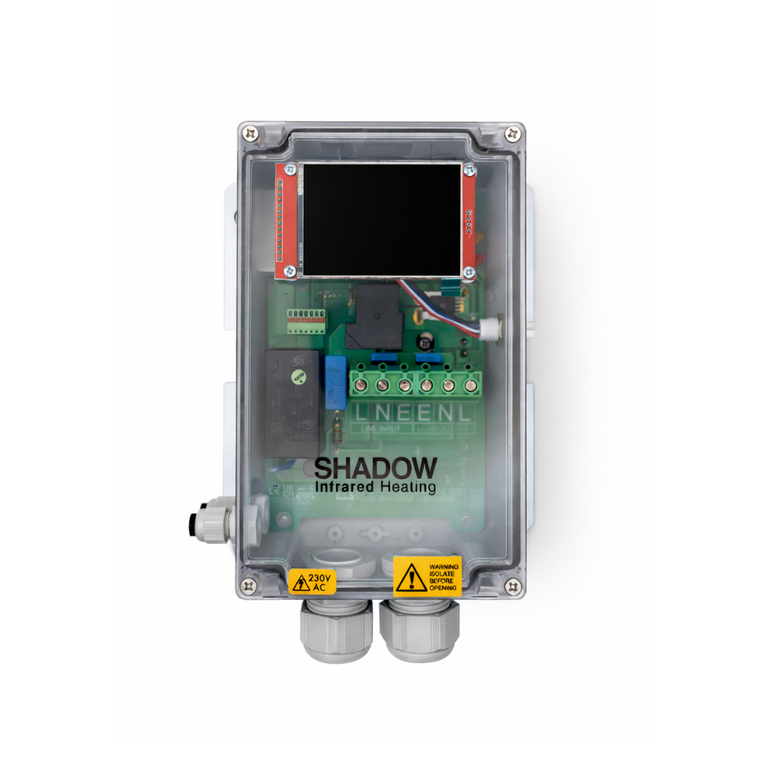
The installation was supported by the ShadowSmart Controller and individual receivers, enabling groups of heaters to operate as independently managed heating zones.
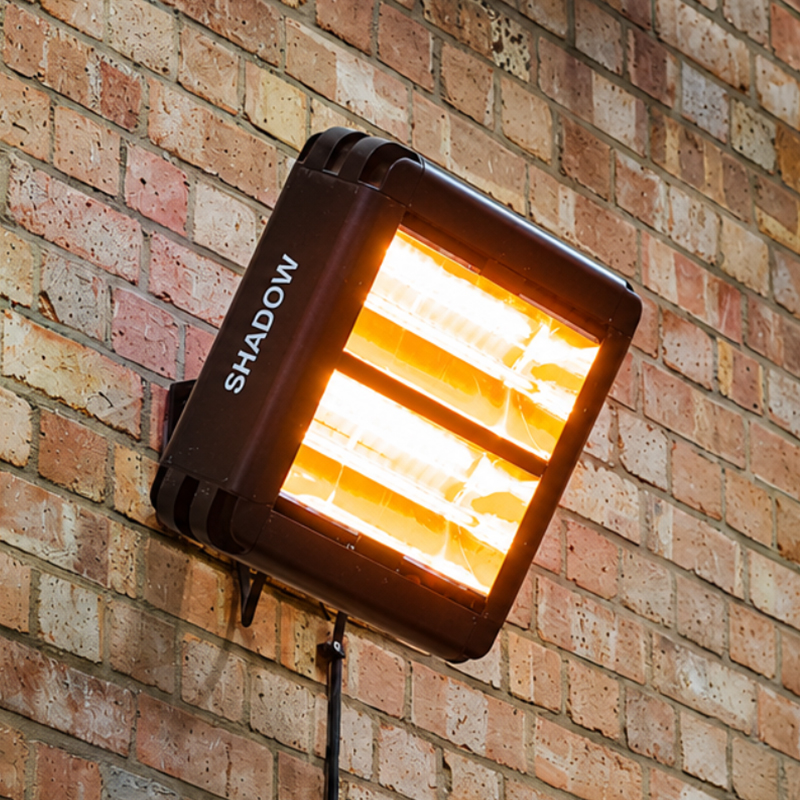
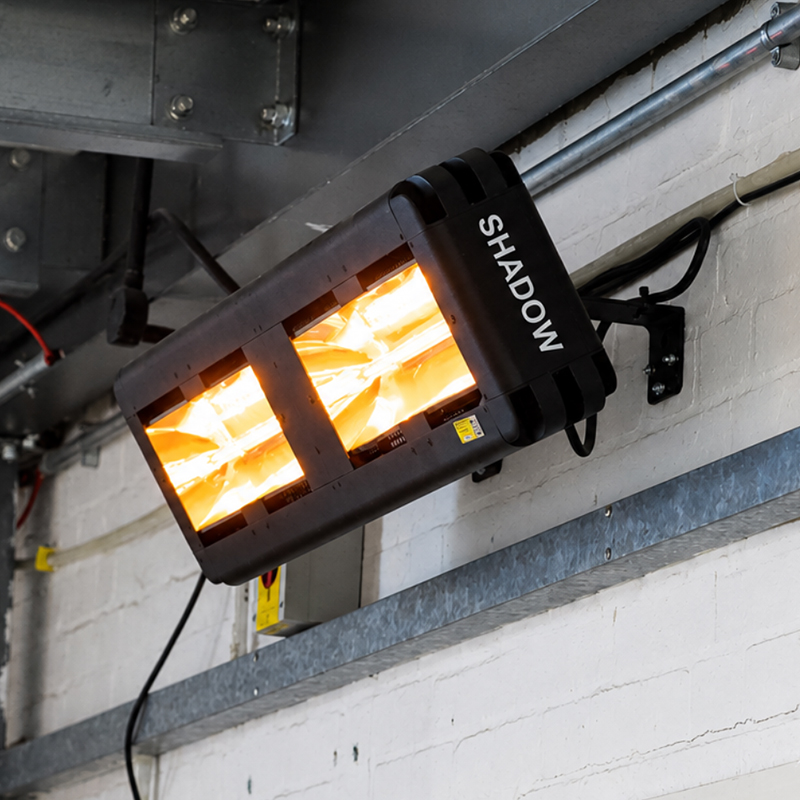
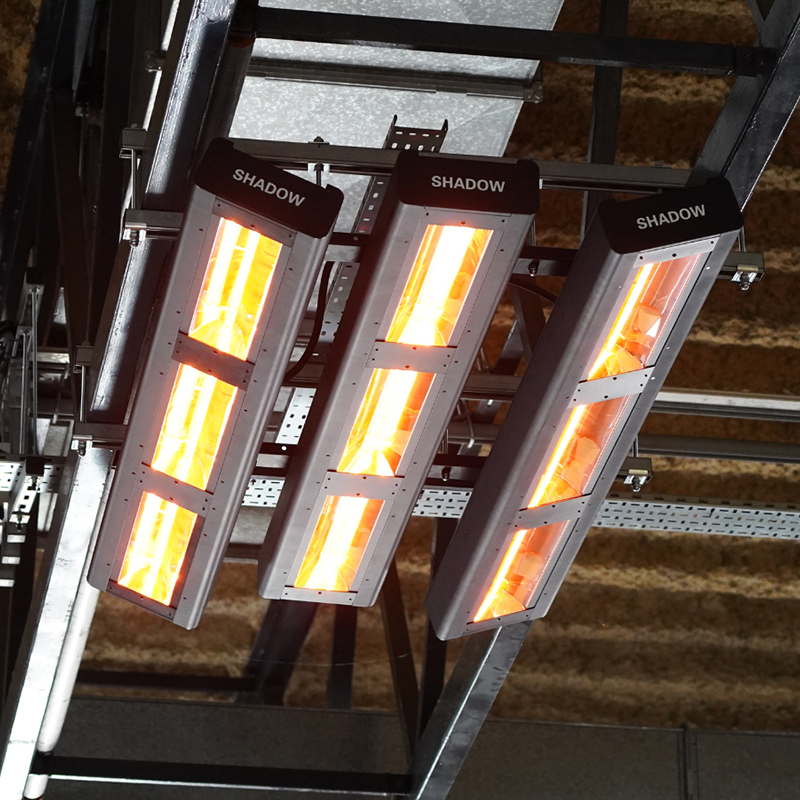
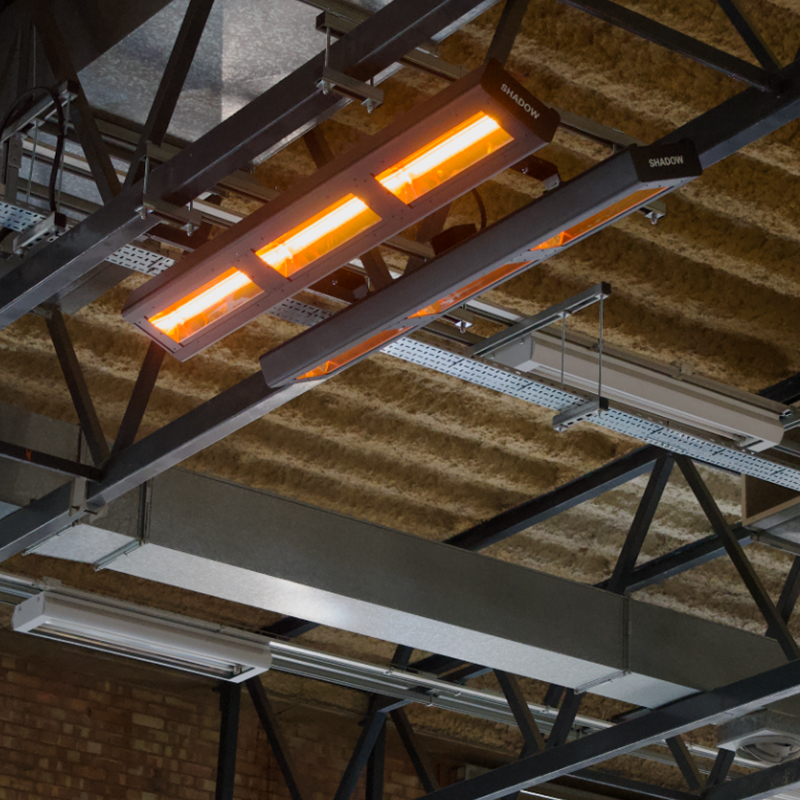
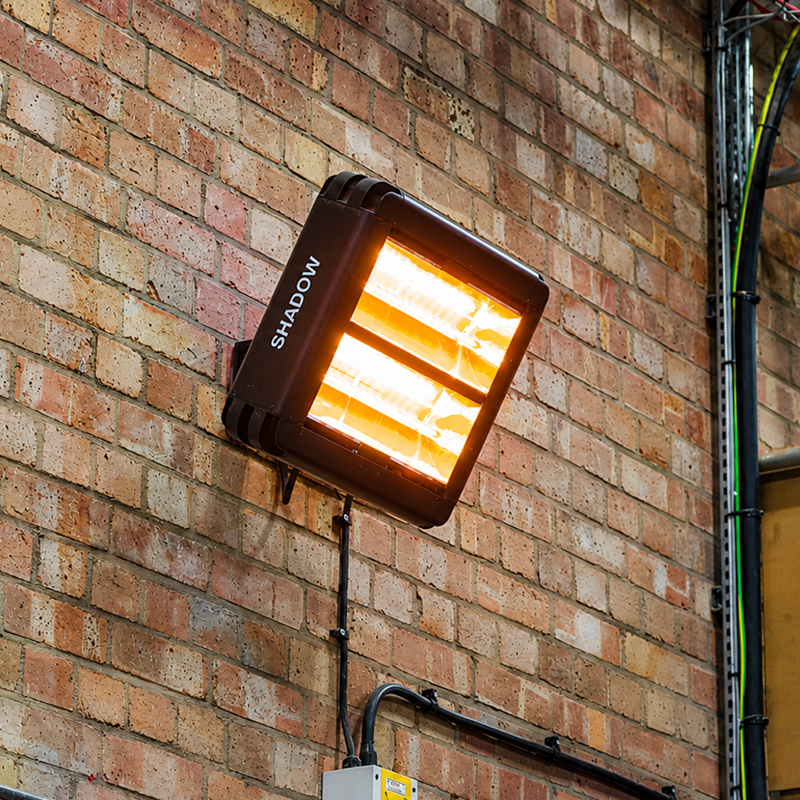
The heaters were positioned throughout the required working areas to provide effective coverage while accommodating the laboratory's layout, equipment and day-to-day operations.
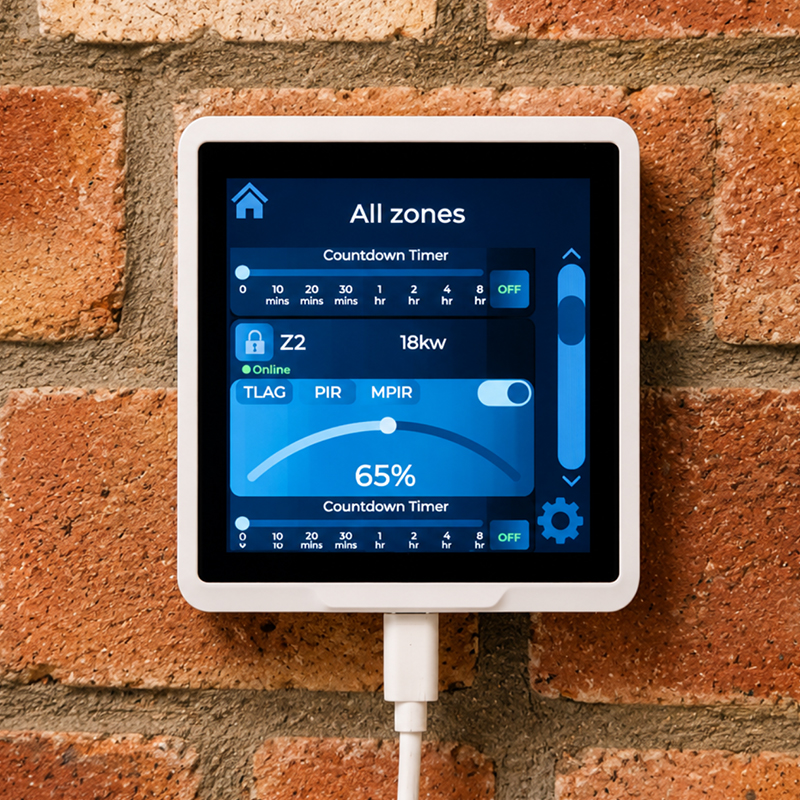
ShadowSmart receivers were connected to the relevant heaters, allowing each defined area to be controlled as an individual zone. The ShadowSmart touchscreen controller provides a central point from which facilities staff can select zones, adjust power levels and monitor the system's operation.
Heating can therefore be matched more closely to occupancy and working patterns. Individual areas can be activated when required and switched off when no longer in use, without affecting the rest of the installation.
The system also supports time-lag controls and integration with PIR movement sensors, providing additional options for automating operation and preventing heaters from being left on unnecessarily.
- Representative from Whittle Laboratory project team.
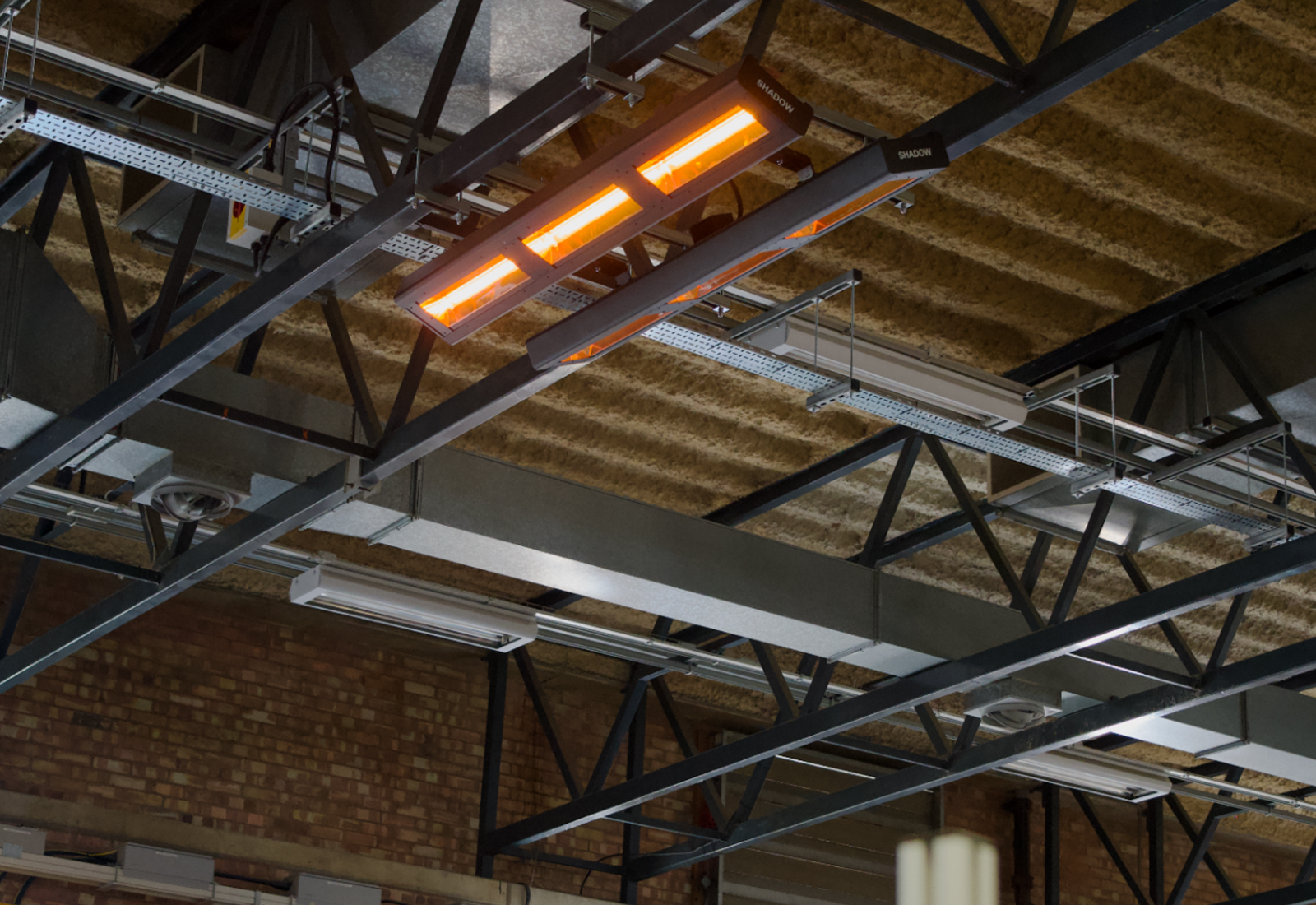
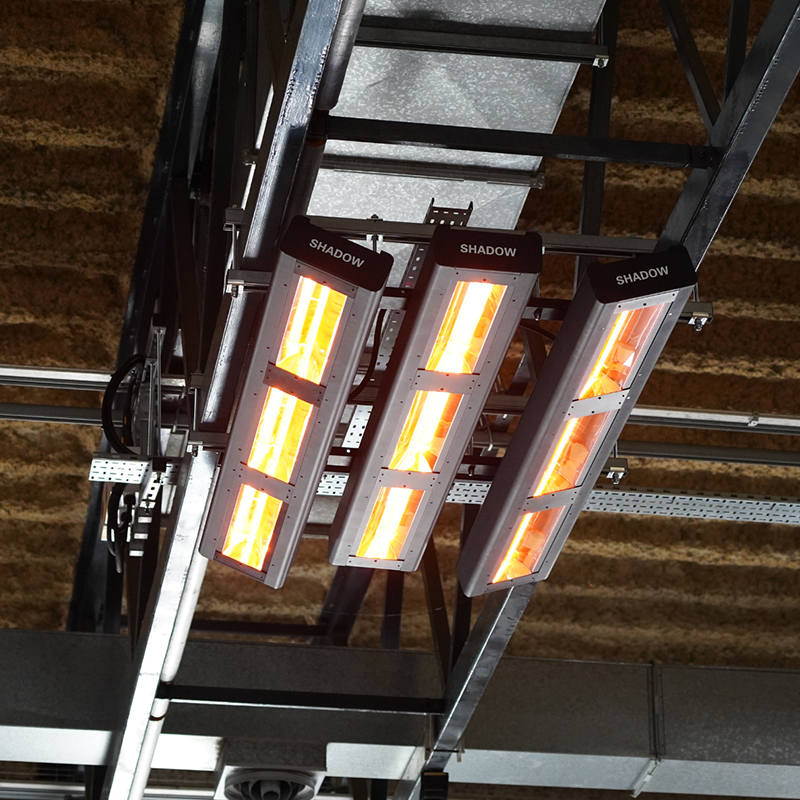
The completed installation provides the Whittle Laboratory with a responsive and adaptable heating solution suited to a complex research environment.
Rather than applying the same heating level across the entire facility, the system allows warmth to be directed towards the people and areas that need it. Independently controlled zones give the facilities team greater flexibility, while live system information makes it easier to understand how the heating is operating across different parts of the laboratory.
The ShadowSmart system also helps reduce unnecessary energy use by allowing individual zones to be switched off when they are no longer required. This combination of powerful infrared heaters and intelligent digital control provides a practical alternative to heating large volumes of air throughout the building.
The project demonstrates how targeted infrared heating can support comfort, operational control and more efficient energy use within large industrial, technical and research facilities.
Most companies today want to reduce or eliminate their net contribution to greenhouse gasses - but it can be hard to know where to begin.
What will have the most impact? One focus area for many organisations is their energy use and heating.
Gas-based systems are falling out of favour as they generate significant carbon emissions. Instead, many are turning to electric infrared heating as this offers the potential for zero emissions at the point of use if renewable energy is used to power them.
Infrared is a popular choice as it offers very high-efficiency ratings - up to 98% of energy is converted into heat. Additionally, heat isn't wasted as it can be focused on the areas that need it the most.

.png)