

A Practical, efficient Heating Transformation for a Historic Church
St Peter's Church in Froxfield, Petersfield, faced a challenge familiar to many historic buildings: preserving its heritage character while creating a warm, comfortable environment that could be used year-round.
Its ageing oil-fired heating system was no longer fit for purpose. It had become inefficient, unreliable, and was contributing to damaging condensation within the building. A modern, sustainable solution was urgently needed.
The church embarked on a transformation designed not only to resolve its immediate heating challenges, but also to future-proof the building for generations to come. The completed installation included:
Together, these elements provide a discreet, highly efficient heating solution that complements the church's historic interior. The project also supports wider sustainability goals by reducing reliance on fossil fuels and introducing a more energy-efficient, low-carbon heating solution.
The church's previous heating system consisted of an ageing oil-fired commercial heater that had become increasingly problematic. In addition to contributing to ongoing condensation issues, the system ultimately suffered a critical failure when the oil tank split.
Initial plans explored replacing the oil infrastructure with a new oil tank and boiler system.
However, this would have involved excavating approximately 40 metres of roadway, tunnelling beneath a listed wall, a quarry, and a listed lych gate, as well as excavating trenches across rows of graves. Alongside the associated cost, archaeological requirements, and overall logistical complexity, these challenges quickly made the proposal impractical.
The church investigated several alternatives, including oil, gas and electric heating systems. Ultimately, electric infrared heating emerged as the most viable long-term option for the building and congregation.
However, the move to electric heating introduced several major challenges. A significant infrastructure upgrade was required to support the new system, including a three-phase electrical supply. The original quotation for these works was expensive due to proposed road excavations and trenching. Through collaborative problem solving and a more practical redesign, the final solution significantly reduced disruption and installation complexity.
The completed installation has transformed comfort levels throughout St Peter's Church, while modernising the building's heating infrastructure with an efficient, responsive and future-ready solution.
Replacing the outdated oil-fired system has not only reduced operational complexity but also introduced a far more practical and flexible approach to heating a historic church environment.
The new zoned infrared system allows the church to heat occupied areas only when required, significantly reducing warm-up times and improving operational flexibility for smaller services, meetings and community events.
The project has received positive feedback from both the congregation and wider community, while also demonstrating how historic churches can support net-zero carbon goals without compromising the character, functionality, or heritage of the building.
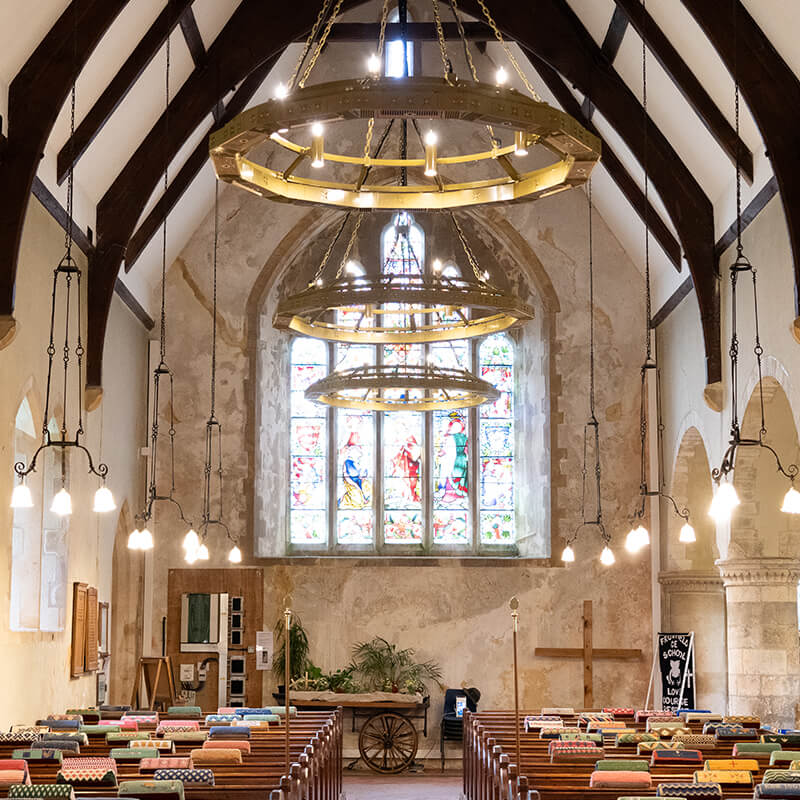
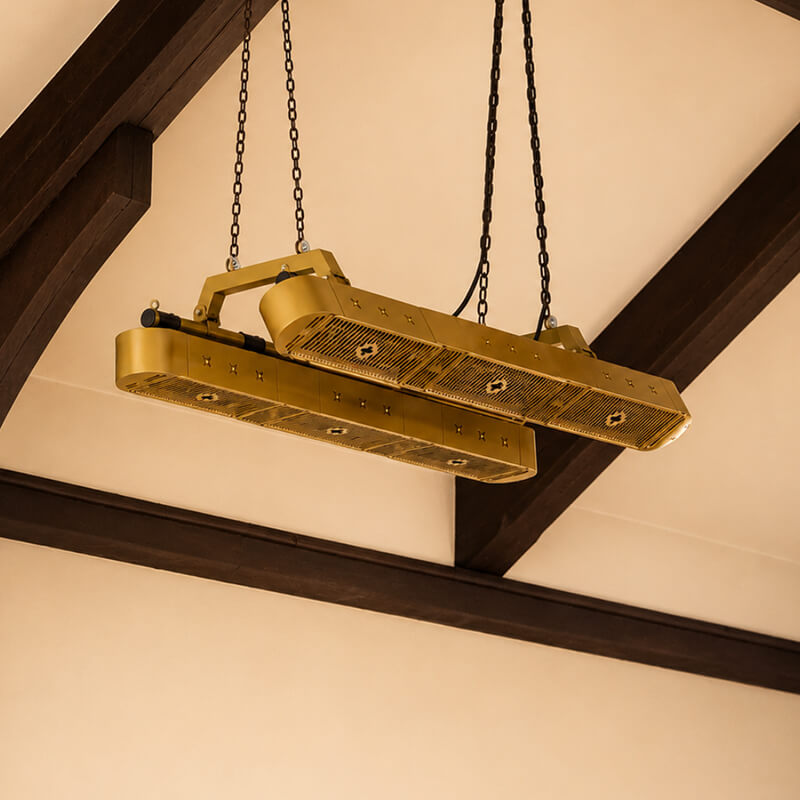
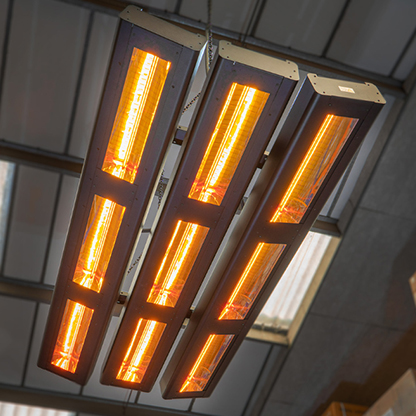
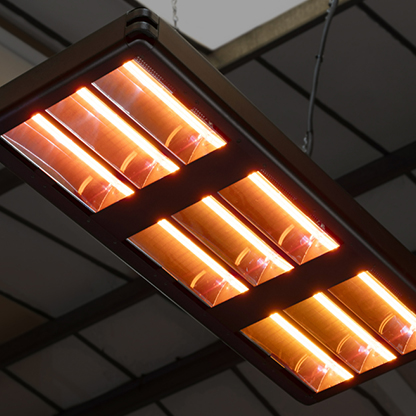
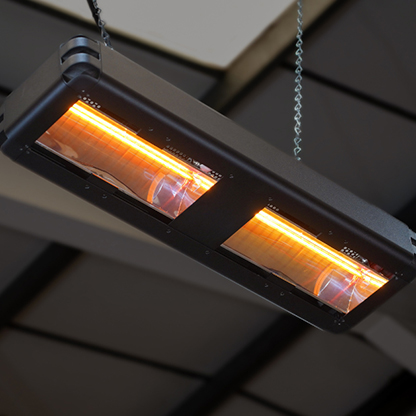
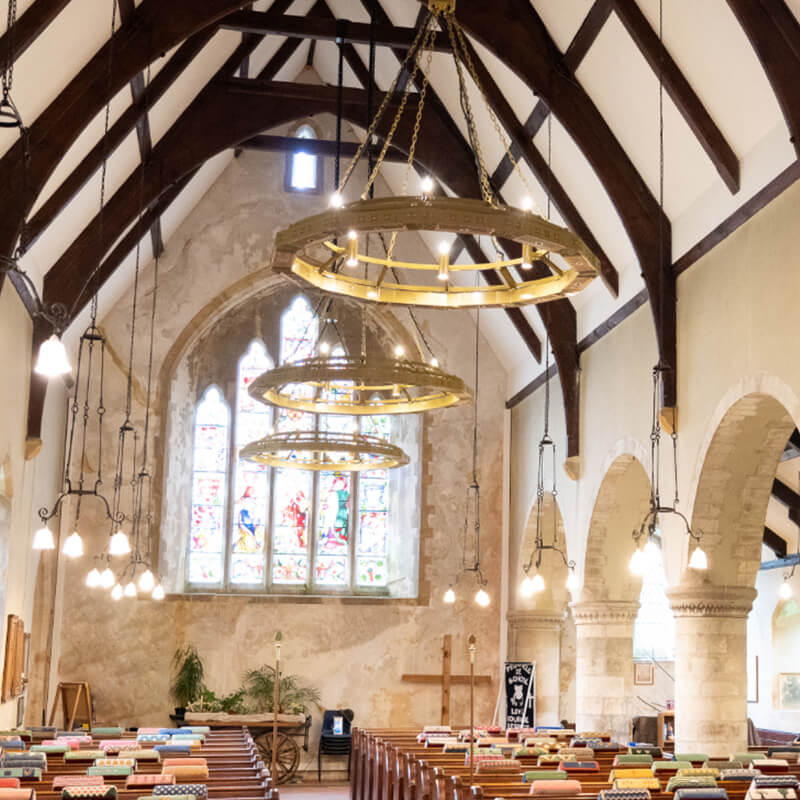
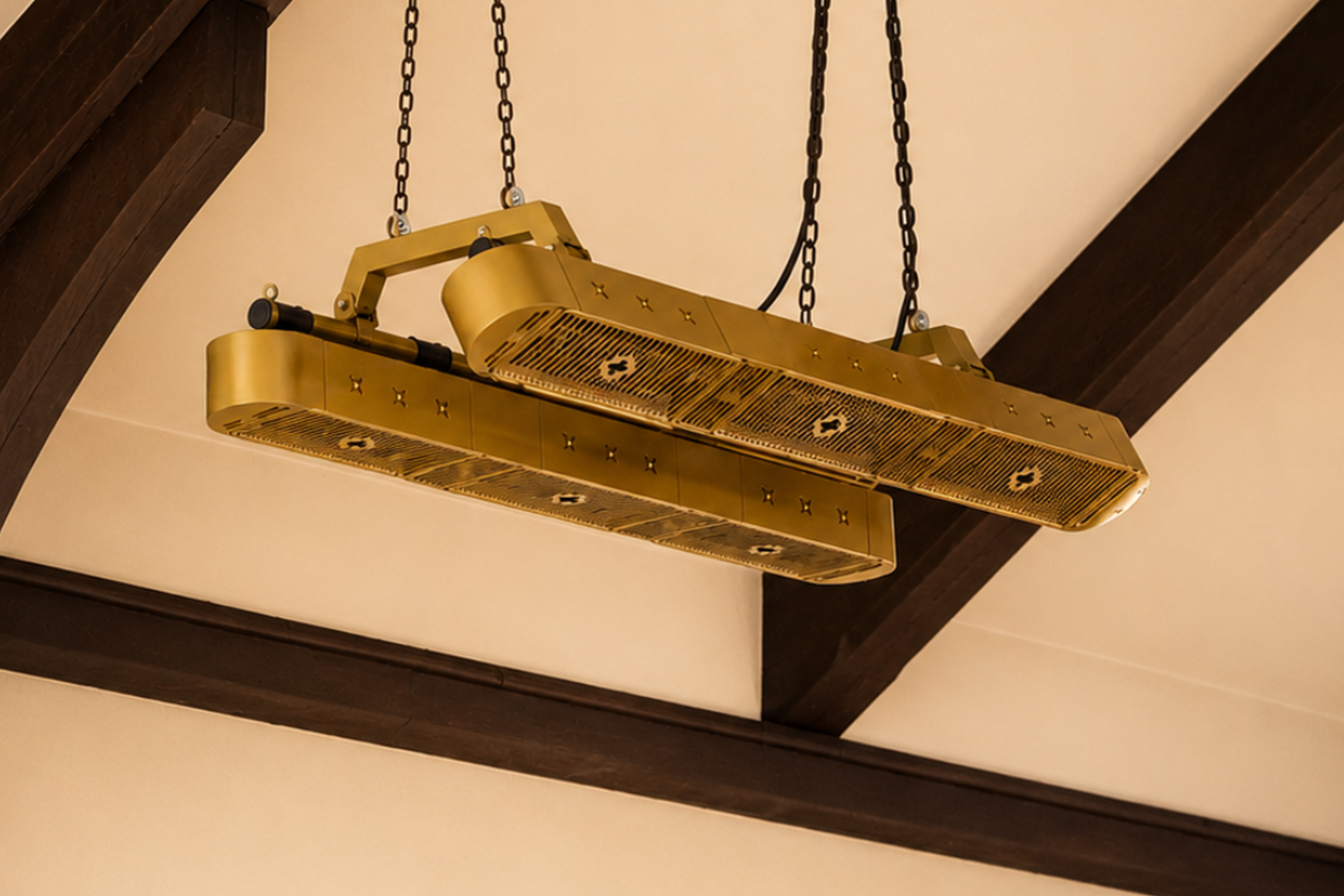
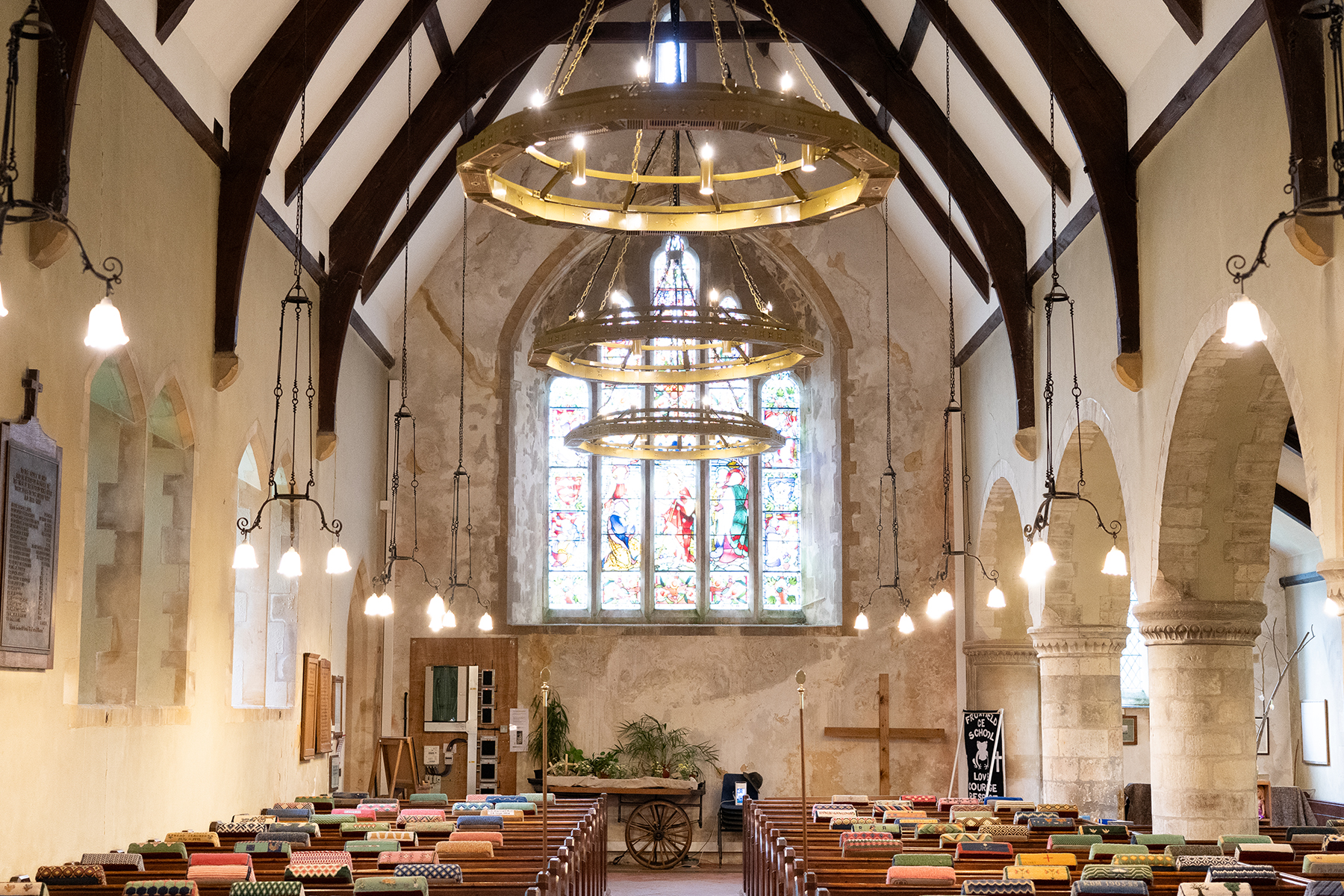
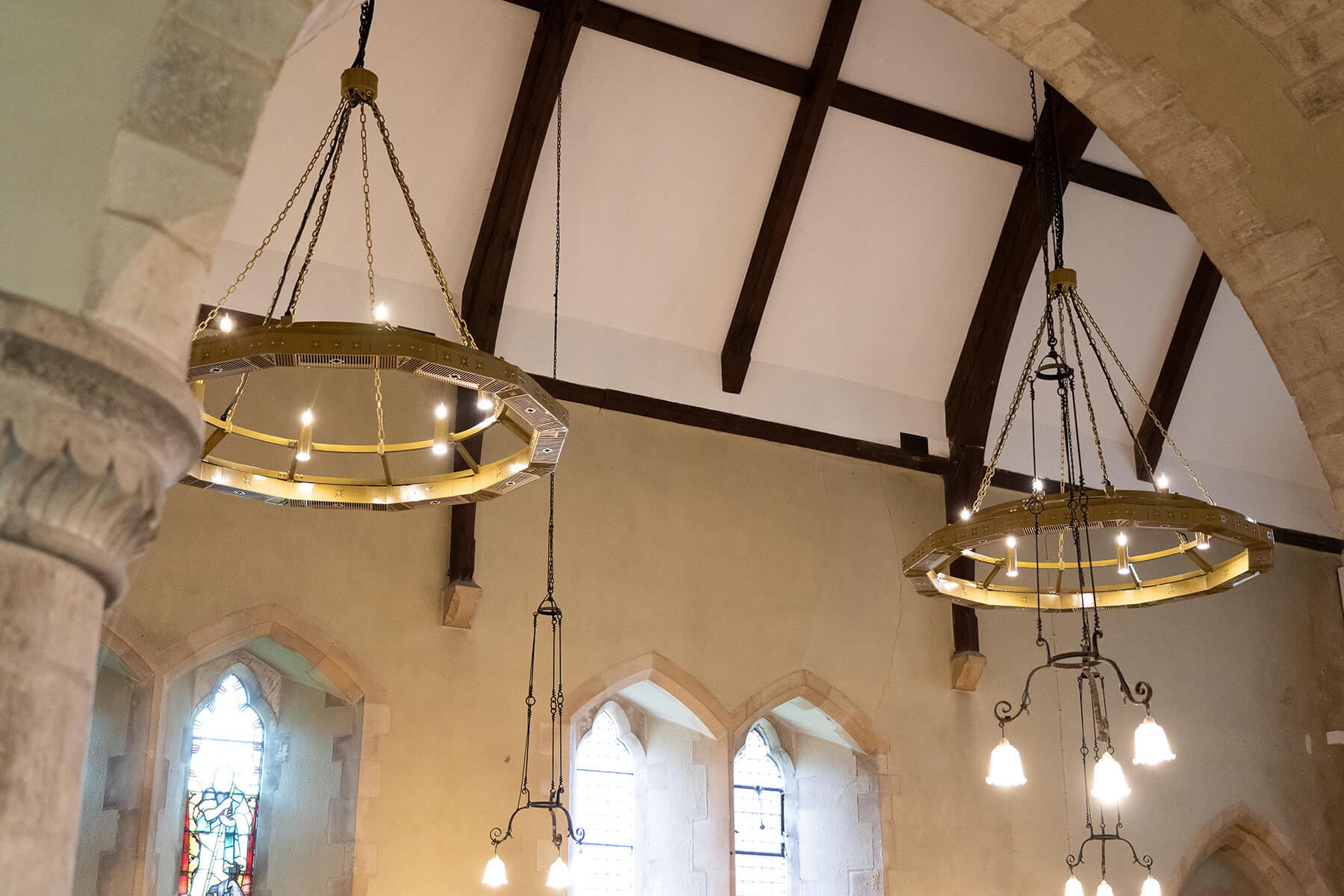
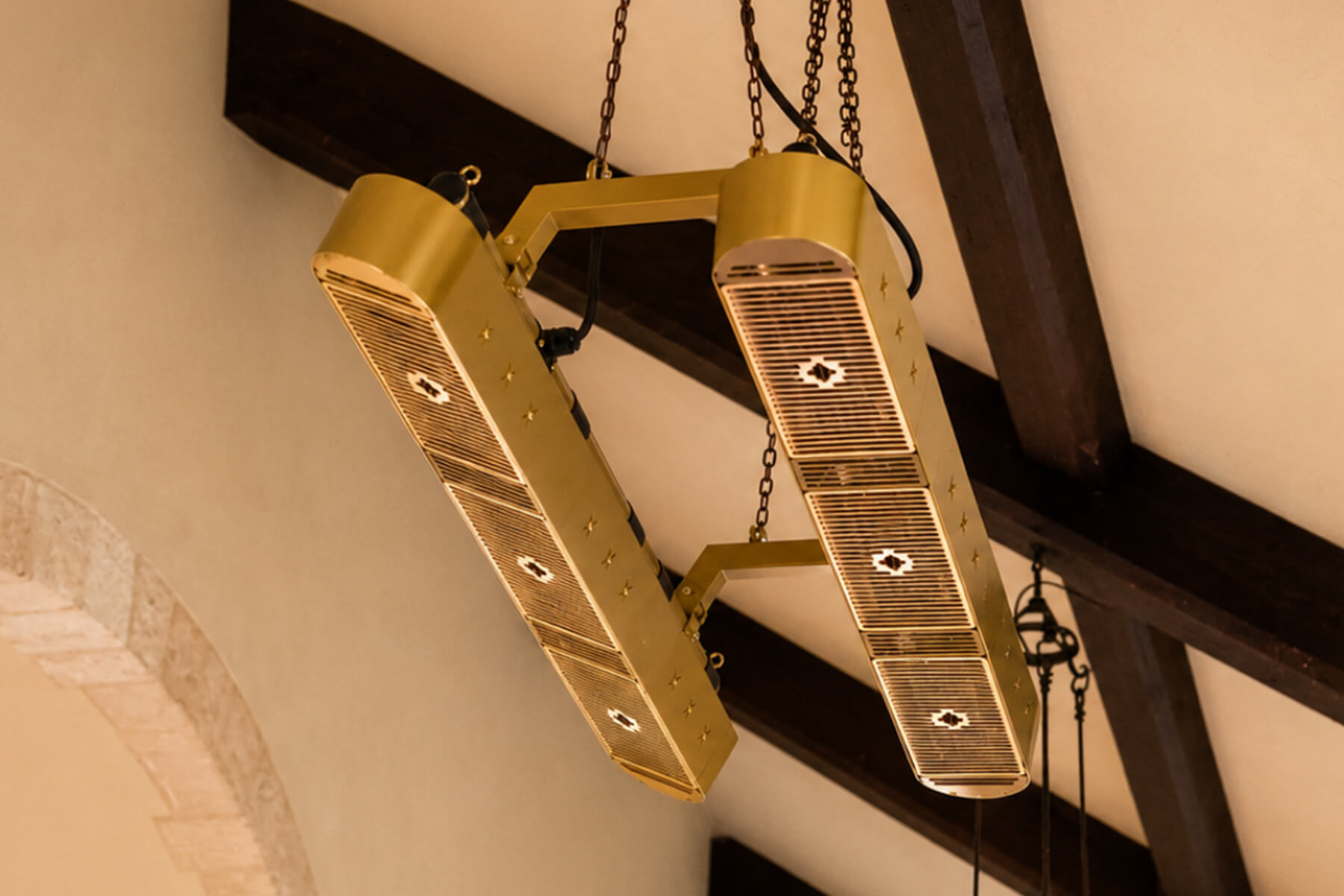
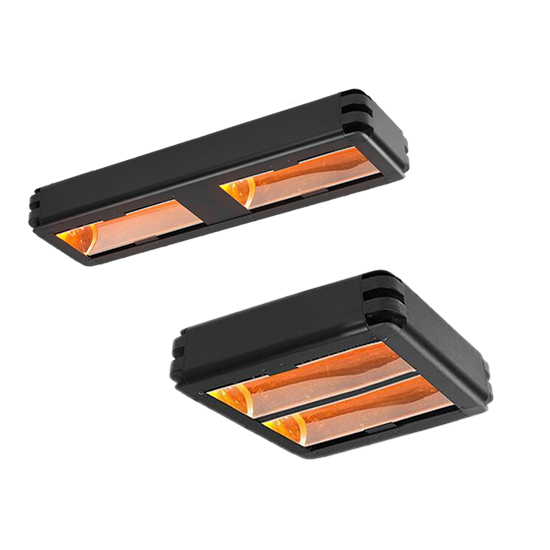
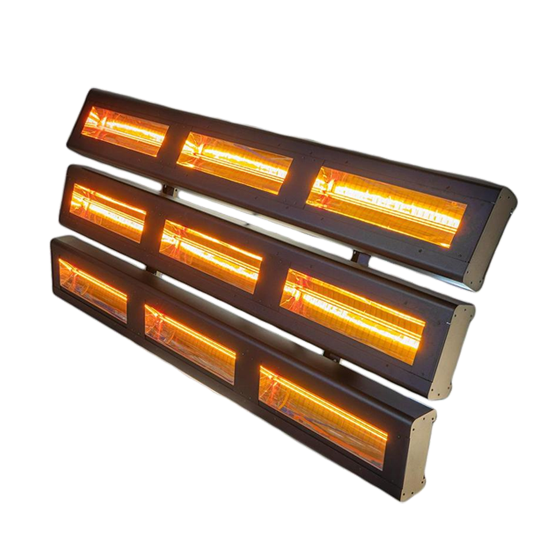
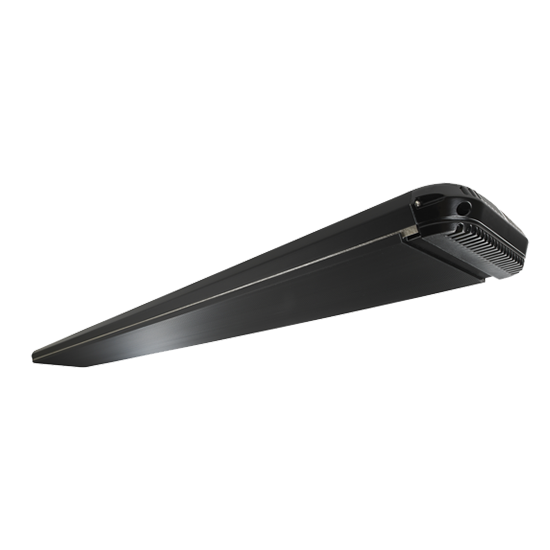
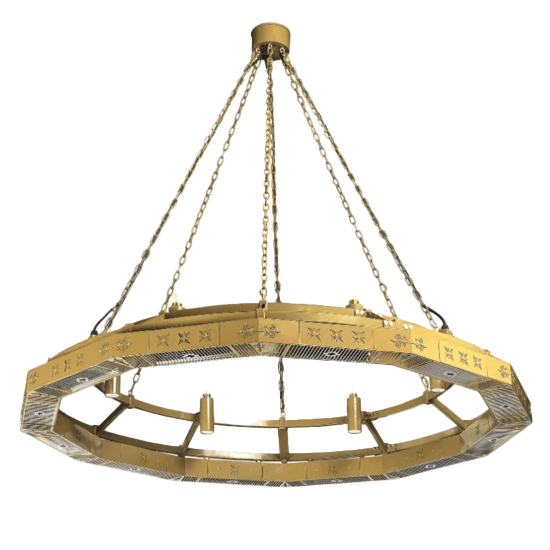
The installation comprised three illuminated Shadow Chandeliers within the nave and two suspended Shadow Solace Ceramic heaters within the side aisle, and a further two within the chancel, integrated with an intuitive zoned control system to deliver discreet, responsive, and energy-efficient radiant heating throughout the church.
The heaters were carefully positioned to provide optimal warmth while preserving the church's architectural character and maintaining clear sightlines throughout the worship space.
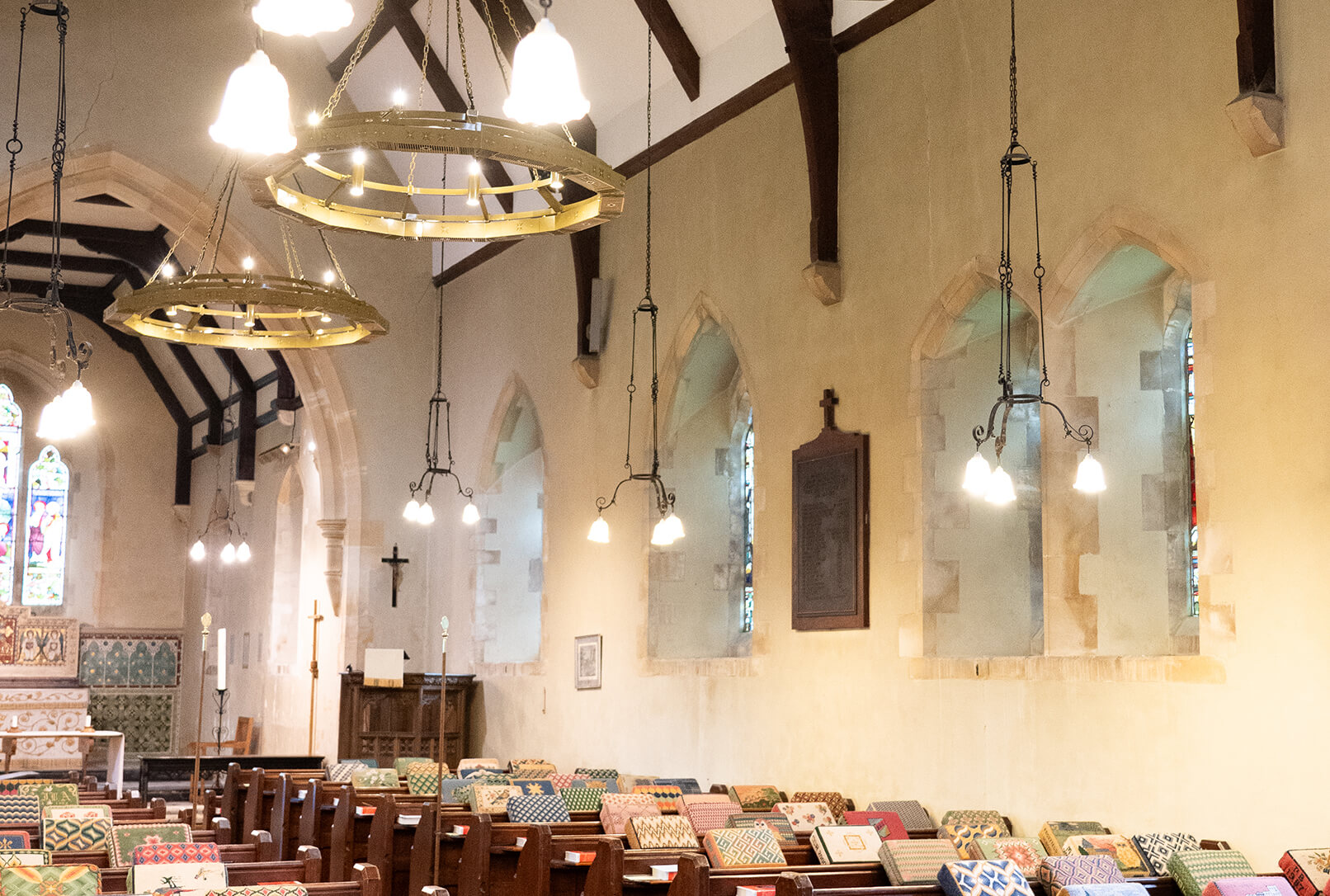
The completed installation has transformed comfort levels within St Peter's Church while significantly modernising the building's heating infrastructure.
The church reported particularly strong positive reactions from younger members of the congregation, while also noting the importance of educating visitors about the subtle and highly effective nature of radiant heating technology.
St Peter's Church identified several valuable lessons for other churches considering similar heating upgrades:
Be Specific from the Start
Clearly define project objectives, requirements and constraints at an early stage to help avoid delays and unexpected costs.
Understand Infrastructure Requirements
Electrical upgrades can become a significant part of the overall project. Early assessment of existing infrastructure is essential for accurate budgeting and planning.
Collaboration Is Critical
Strong communication between contractors, suppliers and church representatives helps ensure smooth project delivery and enables issues to be resolved quickly.
Practical Solutions Matter
Creative thinking and a pragmatic approach to problem-solving can significantly reduce costs, minimise disruption and improve project outcomes.
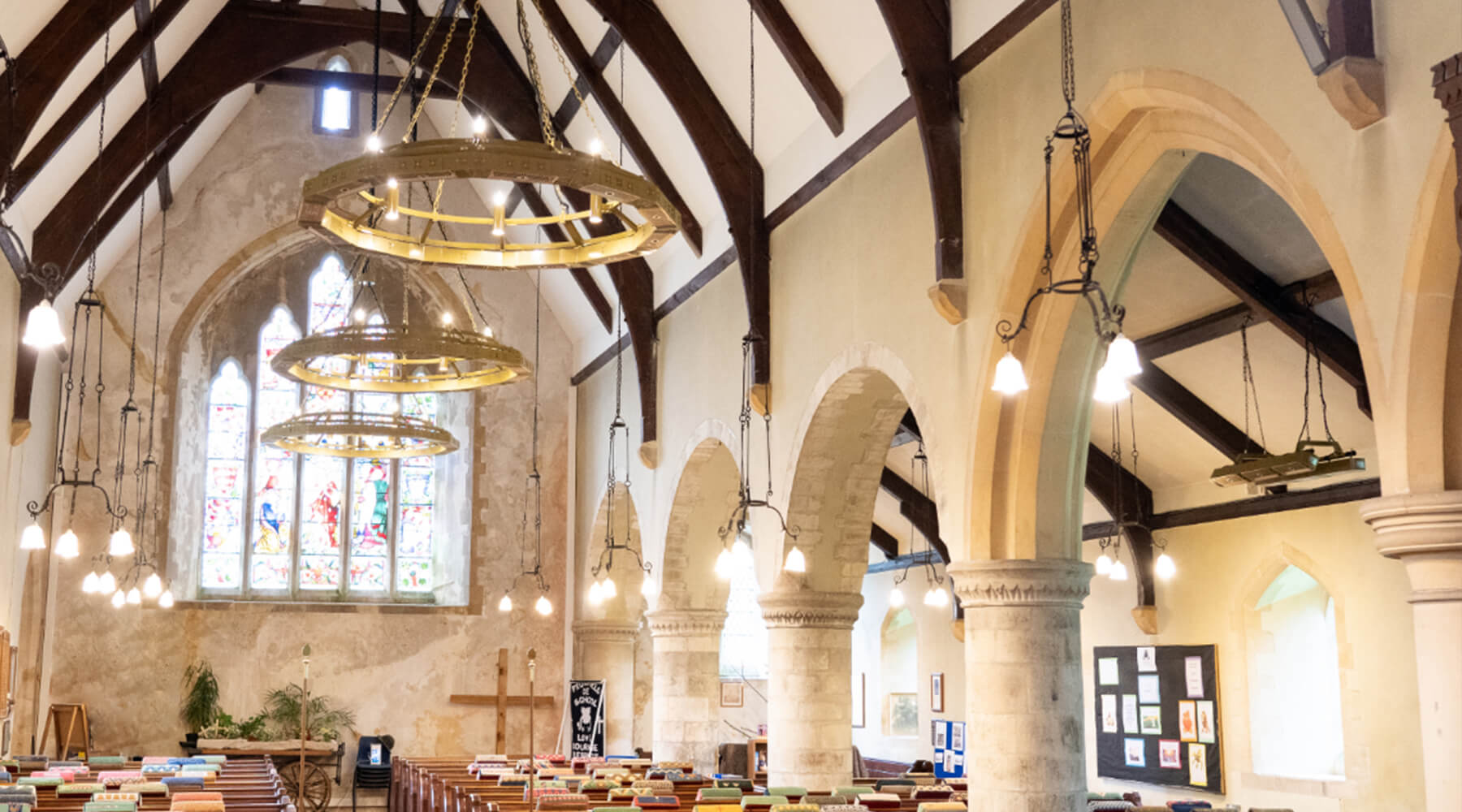
St Peter's Church heating upgrade demonstrates how historic places of worship can successfully transition from outdated fossil-fuel systems to efficient, modern electric infrared technology.
By combining discreet radiant heating, practical infrastructure planning and close project collaboration, the churchnow benefits from a future-ready heating solution that improves comfort, supports its net-zero ambitions and preserves the character and functionality of its historic building.
At Shadow Heating, we offer free, no-obligation quotes and expert guidance to help you find the right heating solution for your church or heritage building.
Start by completing our enquiry form, sharing details of your space, heating requirements and electrical supply. Our team will review your answers and contact you to discuss suitable options and the next steps towards your personalised quote.
Where a site survey is appropriate and your electrical supply is suitable for the proposed system, we'll arrange a complimentary visit. Using our advanced 3D imaging camera, we can assess heater positioning and prepare a detailed layout plan to accompany your comprehensive quote.
If you're unsure whether you have three-phase power, we're happy to help you understand what information is needed and guide you through the next steps.
We understand that making changes to churches and heritage buildings can be a complex and lengthy process. From your first enquiry to your final heating plan, we're here to support you at every stage.

.png)